
Introduction
South Africa claimed a crucial 1-0 series lead over Australia following an impressive 67-run victory at Kingsmead in Durban. The Proteas demonstrated squad depth and tactical excellence while managing without several key fast bowling options.
The Proteas posted a commanding 297/8 from their 50 overs before bowling Australia out for 230 in 41.2 overs. Matthew Breetzke’s brilliant 112 from 106 balls provided crucial stabilization after South Africa slipped to 168/5.
For winplay cricket enthusiasts following the Proteas, this opening victory showcases South Africa’s capacity to adapt effectively against quality opposition. Keshav Maharaj’s exceptional 4/20 bowling figures proved decisive during Australia’s collapse.
Key Takeaways
- South Africa defeated Australia by 67 runs at Kingsmead in Durban to take 1-0 series lead
- Matthew Breetzke scored 112 from 106 balls, becoming leading ODI run-scorer after 14 innings
- Marco Jansen contributed 75 from 59 balls with crucial 107-run sixth-wicket partnership
- South Africa posted 297/8 despite losing early wickets after slipping to 168/5
- Australia struggled to 230 all out despite Mitchell Marsh’s aggressive 60-run start
- Keshav Maharaj took 4/20 while Bjorn Fortuin claimed 2/34 in devastating spin display
- South Africa managed effectively without Rabada, Ngidi, Baartman and Maphaka
Breetzke’s Century and Historic ODI Record Achievement
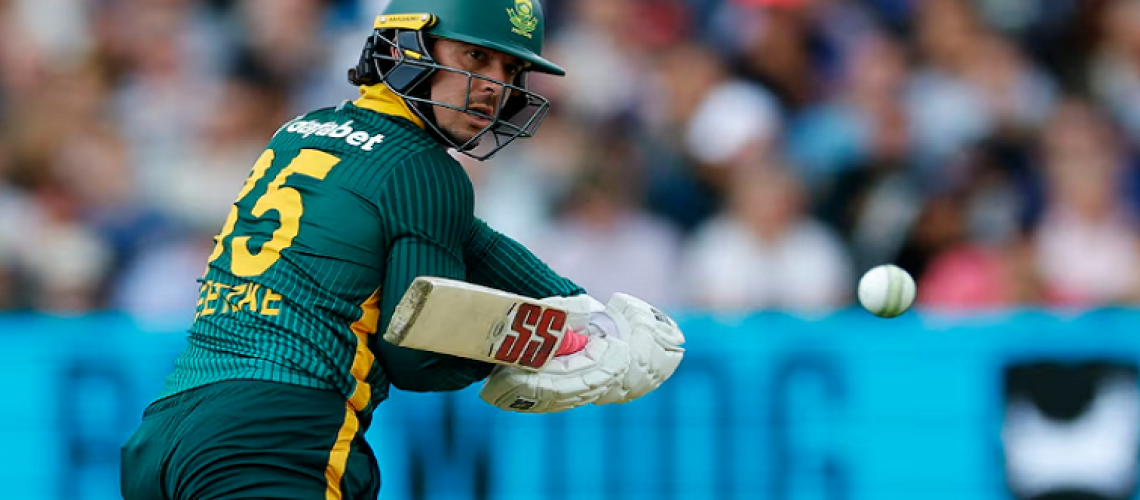
Matthew Breetzke’s 112 from 106 balls represented far more than a standard ODI century. He became the leading run-scorer in ODI cricket after just 14 innings, demonstrating remarkable consistency and accumulation capability.
Breetzke’s ability to construct an innings methodically established the perfect foundation for South Africa’s recovery. His performance exemplified modern ODI batting where technical excellence, tactical awareness, and mental resilience combine.
For winplay cricket followers analyzing player development, Breetzke’s record achievement suggests genuine international quality. His 112 in Durban combined technical shot-making with appropriate caution, scoring 10 boundaries through measured accumulation.
Breetzke’s Role in South Africa’s Recovery
South Africa’s position of 168/5 represented potentially vulnerable innings status. Yet Breetzke’s composure and accumulation capability transformed the scenario into championship-quality recovery.
Rather than attempting to accelerate immediately, he allowed Jansen’s natural aggression to drive attacking momentum. This partnership orchestration demonstrated mature batting intelligence that stabilized the innings.
Marco Jansen’s Explosive Middle-Order Acceleration
Marco Jansen’s 75 from 59 balls provided precisely the explosive acceleration that South African cricket requires. His innings featured seven boundaries and multiple powerful strokes that shifted momentum decisively toward the Proteas.
Jansen’s willingness to take calculated risks while respecting match situation demonstrates tactical flexibility. Modern ODI cricket demands this quality from developing players during crucial partnership phases.
The 107-run sixth-wicket partnership between Breetzke and Jansen proved match-defining. For winplay observers evaluating squad dynamics, this partnership exemplifies how balanced combinations produce superior outcomes.
Jansen’s All-Round Impact Beyond Batting Statistics
While Jansen’s 75 established his batting credentials, his complete match impact encompassed fielding excellence. This included a memorable one-handed catch during Australia’s chase.
His comprehensive contribution reflects the all-rounder responsibilities that modern cricket demands. Jansen’s capacity to influence matches across multiple dimensions establishes him as a genuinely valuable squad asset.
Australia’s Fast Start and Tactical Collapse
Mitchell Marsh’s aggressive 60 established Australia’s chasing momentum, suggesting the visiting team might pursue South Africa’s target. However, this initial attacking approach proved unsustainable against Maharaj and Fortuin’s exceptional spin bowling.
Australia’s inability to adapt tactically once spinners established control proved decisive. The eventual comprehensive collapse from promising positions demonstrated how spin-bowling quality can fundamentally alter match trajectories.
For winplay cricket enthusiasts, this pattern suggests that spin-bowling conditions should heavily influence match analysis. South Africa’s capacity to shift momentum established comprehensive dominance throughout Australia’s chase.
Marsh’s Aggressive Approach and Strategic Limitations
Marsh’s aggressive 60-run contribution initiated Australia’s chase positively. Yet his dismissal highlighted tactical inflexibility when spin-bowling conditions changed.
Modern ODI cricket increasingly demands that aggressive batters recognize when to temper attacking approaches. Marsh’s departure initiated Australia’s broader collapse sequence.
Maharaj’s Spin-Bowling Masterclass and Fortuin’s Supporting Role
Keshav Maharaj’s 4/20 represents exceptional bowling performance demonstrating complete match dominance. His control over line, length, and subtle variations created conditions where Australian batters struggled to score freely.
Maharaj’s performance established the foundation that allowed South Africa to progressively increase scoreboard pressure. His subtle variations simultaneously exposed batters to dismissal risks.
Bjorn Fortuin’s supporting 2/34 provided crucial secondary pressure preventing Australia from rebuilding momentum. For winplay observers, the Maharaj-Fortuin partnership suggests spin-bowling quality represents genuine competitive advantage.
Spin-Bowling Strategy and Tactical Implementation
South Africa’s decision-making regarding spin-bowling utilization demonstrated sophisticated tactical planning. They established early presence, progressively increased pressure, and capitalized on Australian uncertainty.
Rather than simply bowling spin as a secondary option, South Africa elevated spin to primary attacking avenue. This strategic shift proved decisive in producing comprehensive victory.
Squad Depth and Adaptation Without Key Bowlers
South Africa’s victory assumes particular significance given the absence of Kagiso Rabada, Lungi Ngidi, Ottneil Baartman, and Kwena Maphaka. Rather than representing team weakness, the performance demonstrated impressive squad depth and adaptability.
The Proteas’ capacity to develop alternative strategies confirms genuine coaching sophistication. Their player development programs produced match-winning solutions despite significant resource constraints.
This result provides positive foundation heading into the second Wanderers ODI on 27 September. For winplay cricket followers, the opening victory establishes valuable momentum while demonstrating continued competitiveness.
Conclusion
South Africa’s 67-run victory over Australia in Durban represents a comprehensive performance demonstrating squad depth and tactical sophistication. Matthew Breetzke’s historic ODI record, Marco Jansen’s all-round contributions, and Keshav Maharaj’s exceptional bowling combined effectively.
For winplay cricket enthusiasts monitoring the Proteas’ development, this opening victory provides substantial confidence. The series remains undecided with two matches remaining, and continued performances would position South Africa strongly toward series success.
Frequently Asked Questions
What was the final score of Proteas vs Australia first ODI?
South Africa defeated Australia by 67 runs. The Proteas scored 297/8 in their 50 overs while Australia was dismissed for 230 in 41.2 overs in Durban at Kingsmead.
How many runs did Matthew Breetzke score?
Matthew Breetzke scored 112 from 106 balls, his second ODI century. He also became the leading ODI run-scorer after just 14 innings.
What was Marco Jansen’s contribution?
Marco Jansen scored 75 from 59 balls, forming a crucial 107-run sixth-wicket partnership with Breetzke. He also contributed a notable one-handed catch.
How many wickets did Keshav Maharaj take?
Keshav Maharaj took 4 wickets for 20 runs. His exceptional spin-bowling performance proved decisive in Australia’s collapse during their chase.
What was the series score after Durban?
South Africa leads the three-match series 1-0 after their victory in Durban. The second ODI is scheduled for the Wanderers in Johannesburg on 27 September.
Which South African bowlers were unavailable?
South Africa was without Kagiso Rabada, Lungi Ngidi, Ottneil Baartman, and Kwena Maphaka due to injuries. The team adapted through spin-bowling options.
Why did South Africa score 297/8 despite losing early wickets?
South Africa recovered from 168/5 through the Breetzke-Jansen partnership, which added 107 runs for the sixth wicket. This transformed a modest score into a competitive total.
Important Information
DISCLAIMER: This article contains cricket news, analysis, and commentary for informational purposes. Sports outcomes are unpredictable. Any predictions or analysis are based on historical data and expert opinion but do not guarantee specific results. If you engage in sports betting through platforms like winplay, please bet responsibly and within your means. Always review the terms and conditions of your betting platform and ensure compliance with local regulations. This content is not financial or betting advice.
Cited Sources
- ESPNcricinfo — Proteas vs Australia ODI match report and statistics
- Cricket South Africa — Official series coverage and match details
- International Cricket Council — ODI records and player statistics
- SuperSport Cricket — Kingsmead venue details and match coverage
- Cricbuzz — Player performance metrics and scorecard analysis